


A featured contribution from Leadership Perspectives: a curated forum reserved for leaders nominated by our subscribers and vetted by our MarTech Outlook Advisory Board.

Wharton-Smith
Leading with People - Growing with Purpose
Aligning Brand Promises with Experience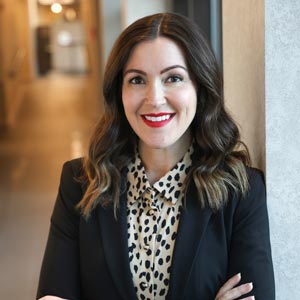
Sarah Hohman
My progression from healthcare to construction has reinforced a belief that has shaped my entire career, effective marketing starts with people, not products or services. In my earlier roles, I learned that decisions are influenced by trust, emotion and the experience surrounding a brand. In construction, the audiences and buying cycles are different, but clients still want confidence that we understand their needs and will deliver on our commitments.
As my responsibilities have grown, my focus has expanded from individual campaigns to the full experience an organization creates. At Wharton-Smith, I often describe that ambition as “One Company. One Experience. One Brand.” Marketing should align what we promise with what people actually experience and that requires collaboration well beyond the marketing department.
Turning Consumer Insights into Strategy
Data tells us what people are doing, listening helps us understand why. I combine firsthand feedback from clients, employees and community partners with market intelligence and performance metrics. Earlier in my career, that meant studying consumer behavior and changing expectations. In construction, it includes economic conditions, population growth, infrastructure investment and opportunities in priority markets.
I also look beyond surface-level measures like impressions or clicks. Are we reaching the right decision-makers? Deepening strategic relationships? Strengthening our position in the market? Supporting qualified opportunities? Good analytics should challenge assumptions, not simply validate past decisions. The goal is to give creative teams better insights, ask sharper questions and continually adjust our approach to achieve meaningful business outcomes.
Building One Consistent Brand Story
I start with business priorities and work backward, Which audiences’ matter? Where do we want to grow? What differentiates us? Which relationships are essential? Branding, digital content and community engagement should reinforce one story rather than operate as isolated activities.
“Marketing should align what we promise with what people actually experience and that requires collaboration well beyond the marketing department.”
For me, brand consistency is more than visual identity. It's the experience people have through a proposal, on a jobsite, at a community event or in everyday interactions. Digital content should demonstrate expertise and tell authentic stories about our people and impact, not just broadcast accomplishments. Community engagement should be equally genuine. My involvement with Leadership Seminole and NAMI Florida has reinforced that meaningful partnerships begin by listening and contributing, not simply seeking exposure. When these efforts support clear business goals, they strengthen trust and create lasting value.
Measuring ROI Beyond Campaign Metrics
I approach budgets as investment decisions, not simply spending plans. That means understanding which initiatives advance growth, which support a strong brand and how we'll evaluate both immediate outcomes and long-term value.
One experience in a previous leadership role fundamentally changed how I think about ROI. We tracked digital, social, print and television performance closely, yet significant business was coming through relationships we'd built in the community, with little formal measurement. I led the charge in developing a CRM-based process to connect those relationships to referrals, opportunities and business results. It gave us a clearer picture of an important growth driver that traditional campaign dashboards were missing.
That lesson translates directly to construction, where relationships may develop for years before influencing a major project. Not everything can be attributed to a single tactic, but we should still seek accountability. I regularly question historical spending, adjust based on performance and prioritize investments that support both near-term results and long-term trust.
Leading with Empathy and Accountability
I've defined five personal leadership principles that keep me connected to why I love leading, but they all come back to one belief, people matter most. I try to give others the benefit of the doubt, treat every person with respect regardless of title or viewpoint and never ask my team to do something I wouldn't be willing to do myself.
High performance also requires clarity and accountability. People need to understand what success looks like and how their work contributes to the bigger picture. Just as importantly, they need room to question, collaborate, take creative risks and grow. I want to build a culture where excellence and empathy strengthen one another.
That culture shapes the consumer experience. Employees who feel respected, trusted and connected to a shared purpose are more likely to create meaningful relationships externally. For me, successful leadership means developing people while building a stronger organization.
