


A featured contribution from Leadership Perspectives: a curated forum reserved for leaders nominated by our subscribers and vetted by our MarTech Outlook Advisory Board.

Red Oxx Manufacturing
From Factory Floor to Digital Growth: Connecting Product, People, and Marketing
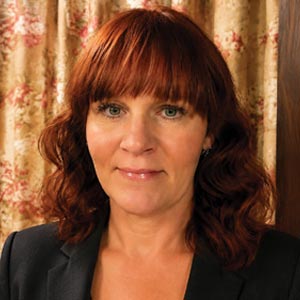
Jenna Shanahan
I started at Red Oxx in March of 2012 as a sewing machine operator. I’d already spent 15+ years sewing as a seamstress, so stepping onto the factory floor and building bags with a crew of eight to ten people felt natural. For a few years, my whole world was fabric, thread, patterns, and the repetition it takes to build something durable and consistent.
That time on the floor is the backbone of how I work with customers now. I know how our bags are made, what each seam does, and where the stress points live. When someone asks why we use a certain zipper, why a handle is anchored a particular way, or whether a design change would hold up, I’m not guessing. I can explain what will actually work in the real world and what will introduce a weak spot that leads to failure.
It also shaped how I think about marketing decisions. I’m always asking, “Is this scalable for our crew?” With a small team, you can’t overcomplicate builds or launch offerings that look clever on paper but kill the people at the machines. That balance between practicality, durability, and function is something I carried straight from the floor into every customer conversation.
Connecting Product Knowledge and Hands-On Experience
When a repetitive motion injury meant I couldn’t sew eight hours a day anymore, I moved into our showroom and sales. I brought two things with me: deep product knowledge from the factory and a background in retail, computers, and social media.
That combination let me bridge the gap between “how it’s made” and “how we tell the story online.” Early on, I had a knack for social media and used Facebook to grow our audience with posts about the brand’s story and the people behind the bags. Over time I picked up analytics, Google Ads, email campaigns, and website management, plus some of the writing for blogs, product descriptions, and store policies.
A concrete example is our “how it’s made” video series. That idea came directly from my factory experience. I always felt customers would appreciate seeing what we do in a real way. We sat on it for a while because there was concern about showing too much and giving away trade secrets, but about a year and a half ago the timing was right. Jim was ready, and we moved. Those short films have done well on our YouTube channel, and they’ve helped connect the dots between the physical work and the digital presence.
Building an Authentic Brand
Being involved in both sides makes “authenticity” less of a buzzword and more of a daily decision.
From the product side, I know what our gear can do and where its limitations are. So when customers suggest custom alterations or design tweaks, I can be honest about whether they’re truly functional or if they’d introduce a flaw. Sometimes what sounds ideal from a user’s perspective simply can’t be built without compromising the integrity of the bag. Saying “no” to something that will fail is part of being an authentic brand.
"The marketing industry never sits still, and you have to keep learning to stay relevant. But all of that sits on top of one thing: knowing the product and the people behind it."
From the marketing side, I try to keep the story aligned with the reality in the shop. We’re a small crew in Montana with real constraints, real injuries, and real lives. We aim to make the best bags we can, back them with an honest lifetime warranty, and have actual people answering phones and emails who care about the user experience, even when things go sideways. If the story we tell doesn’t match that, it doesn’t go out.
Keeping the Customer at the Center
On any given day I’m helping manage customers, answering phones, creating campaign content, handling daily operations, maintaining the website, watching reviews, and working on sales forecasting. I also give feedback on product development and split social media responsibilities with Jim across both our Red Oxx and 406 Events Lawn accounts.
Balancing all of that means accepting that not everything can be top priority every day. Lesser important projects get sidelined so I can move on the things that matter most to the company as a whole. The way I keep my footing is by starting with the customer: Are there open issues, questions, or problems that need attention? That comes before tweaking an ad.
If we keep making useful, durable bags, stand behind them, and stay reachable, the channels fall in line. Each one is just a different way of serving the same person.
The Sage Advice
First, use the product. Not just once for a photo shoot, but in any capacity you can until you’re completely familiar with its functions and limitations.
Second, learn how it’s made, even if you’re not making it yourself. Understand the specs, materials, and development process. That knowledge gives you a much clearer sense of the product’s potential in the market, who it’s for, and who it’s not for.
Third, don’t limit yourself to any one system, site, or dashboard. Tools change constantly. The marketing industry never sits still, and you have to keep learning to stay relevant. But all of that sits on top of one thing: knowing the product and the people behind it. If you get that part right, the rest of your work gets a lot stronger.
